The Impact of September Rain on Kuyalnik
On September 30, 2025, the Odesa region experienced a significant rainfall, with 94 mm of rain recorded. Hydrologist Serhiy Shevchuk noted that this was one of the most powerful downpours in recent years, significantly affecting the state of small rivers and the Kuyalnik Lagoon.
The specialist emphasizes that storm rains are crucial for shaping the riverbeds of small streams, which often dry up during drought years.
«Such precipitation can be destructive to urban infrastructure, but at the same time, it rejuvenates natural waterways, giving them new life,» explains Shevchuk.
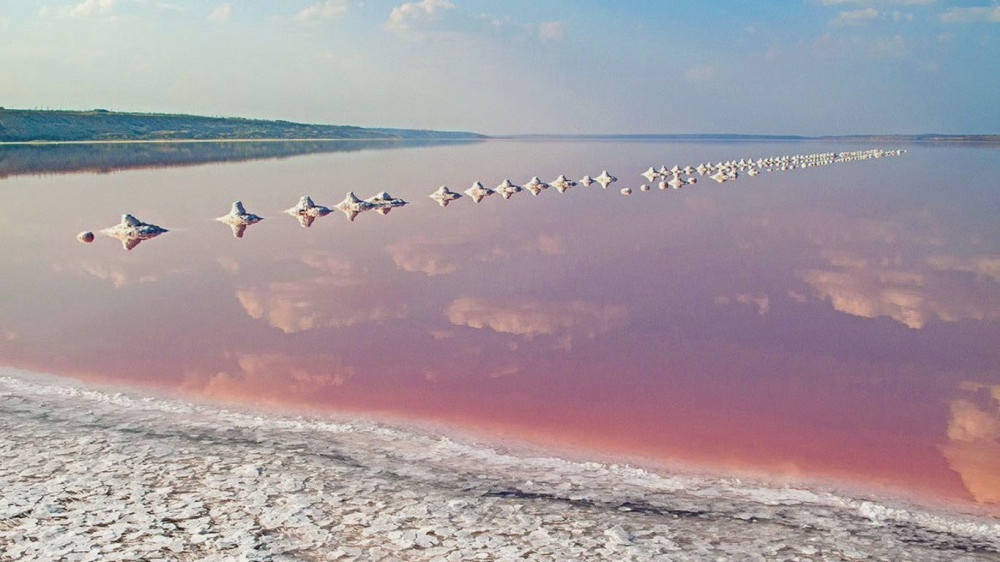
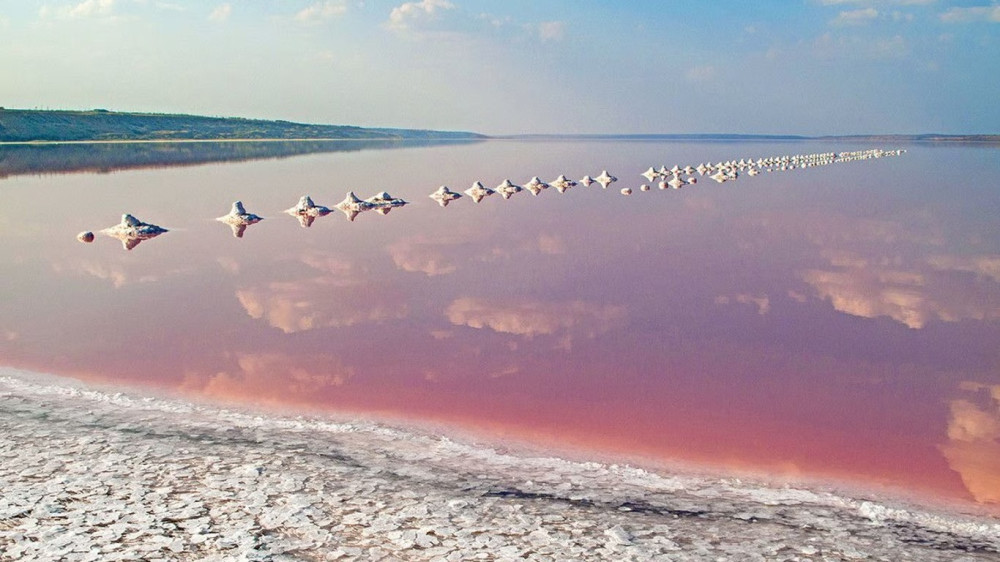
According to him, the small river Great Kuyalnik, which had been regulated by ponds for decades, was filled with water again after the September downpour. This positively affected the Kuyalnik Lagoon, whose water levels had critically decreased recently, with salinity exceeding 350 grams per liter (for comparison, in the Black Sea, this figure is about 18 g/L).
«The rainfall on September 30 was a lifesaver for the lagoon — the water level noticeably rose. This is clearly visible even in satellite images taken on September 28 and October 5. The exposed bottoms of the bays were once again filled with water,» noted the hydrologist.
At the same time, Serhiy Shevchuk stresses that relying solely on natural rains is not enough. It is essential to develop local water conservation measures, including systems for retaining storm runoff, saturating coastal soils with moisture, and repairing spillways on ponds and reservoirs.
«Rivers begin in the sky. Without precipitation, there are no rivers, regardless of what local farmers do,» concluded the hydrologist.
The expert pointed out that the September rainfall not only revived the Kuyalnik Lagoon but also reminded us of the importance of smart water resource management in the face of climate change.