Farsight Vision Secures €7.2 Million Investment for Innovative AI Solutions
The Ukrainian startup Farsight Vision has successfully attracted €7.2 million in investment from European investors through the Brave1 platform. This has been reported by the Ministry of Digital Transformation of Ukraine.
The company, a participant in the Brave1 platform, is focused on developing AI tools for reconnaissance that are utilized in combat scenarios, helping military personnel make decisions more rapidly.
This platform analyzes terrain data and relays real-time updates to UAV and RPA operators regarding the battlefield situation. The Ministry describes this technology as a modern alternative to satellite reconnaissance.
"The investment of global players in Ukrainian startups signals confidence in our technologies and confirms that Ukraine is setting the standard for modern warfare," the report states.
According to the Ministry, Farsight Vision plans to use the funds raised to enhance robotic solutions for logistics, navigation, and weapon management, as well as to strengthen battlefield protection and critical infrastructure using AI.
Additionally, the team aims to consolidate their developments into a unified system to increase the autonomy of combat drones. This solution will encompass reconnaissance, target formation with coordinates, target transmission to strike drones, and navigation during the final flight stage.
According to Defender Media, the investment round was led by the American corporation Axon Enterprise and the Estonian state fund SmartCap Defence Fund. Also participating in the deal were Polish Radix Ventures, Swiss Anker Capital, and Danish Final Frontier. Furthermore, the Estonian fund Darkstar, one of the first investors in Farsight Vision, made a follow-on investment in the startup.
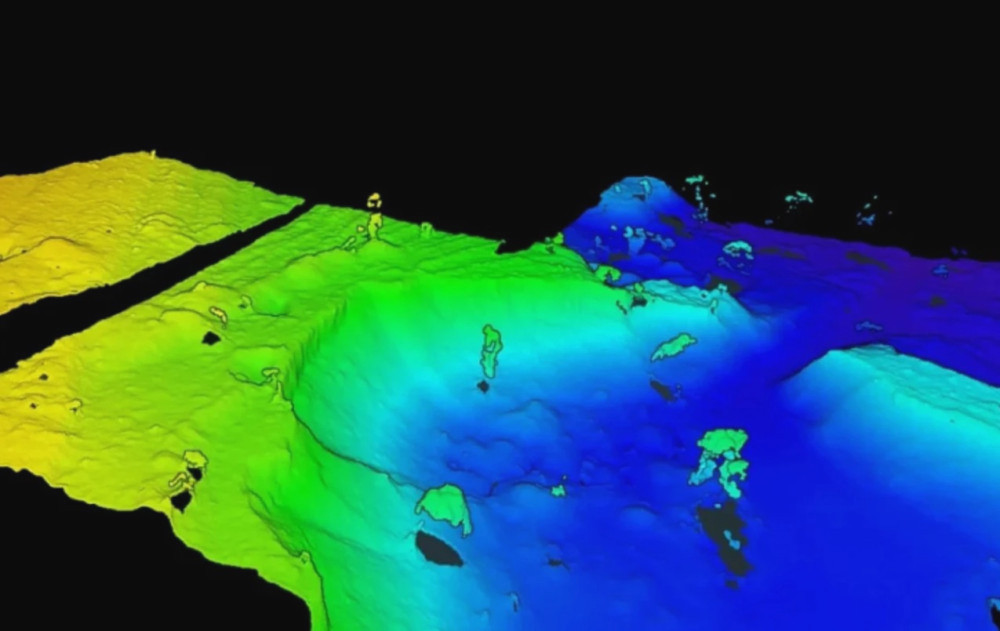
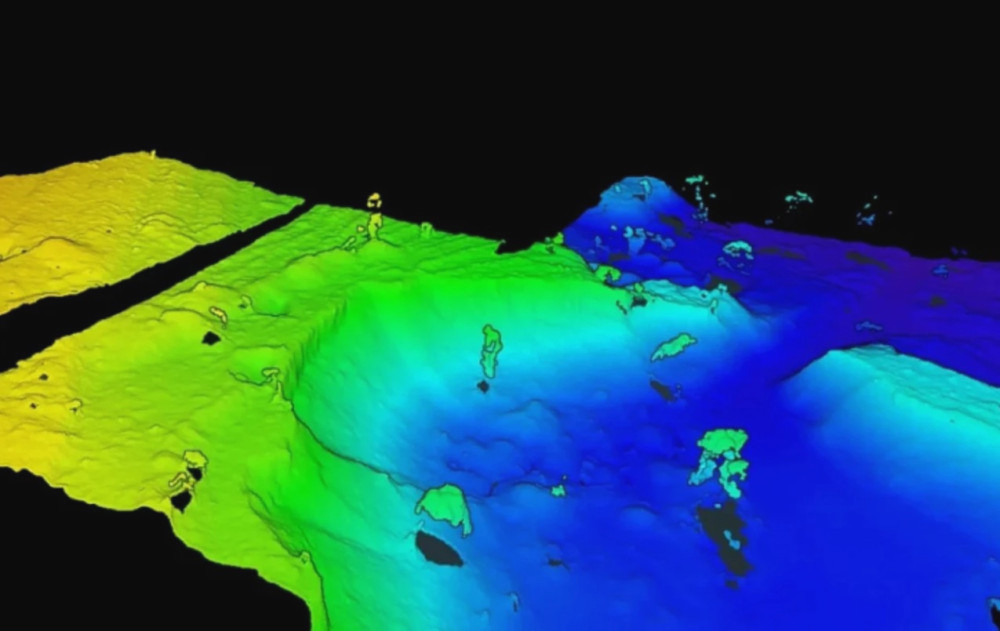
The company's solutions enable real-time conversion of images from drones into 3D models and orthophotos (accurate, "corrected" aerial photographs of the terrain) with integrated object detection and anomaly tracking, even in the absence of GNSS, and can be integrated with combat management systems, mobile applications, simulators, and VR tools.