Visit to the Cossack Cemetery in Odesa
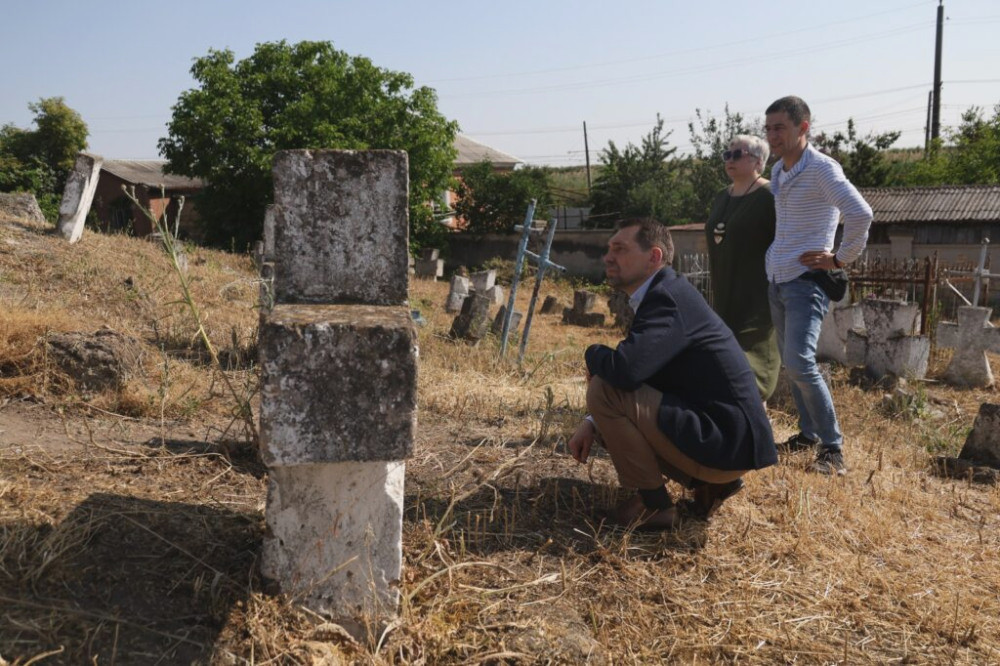
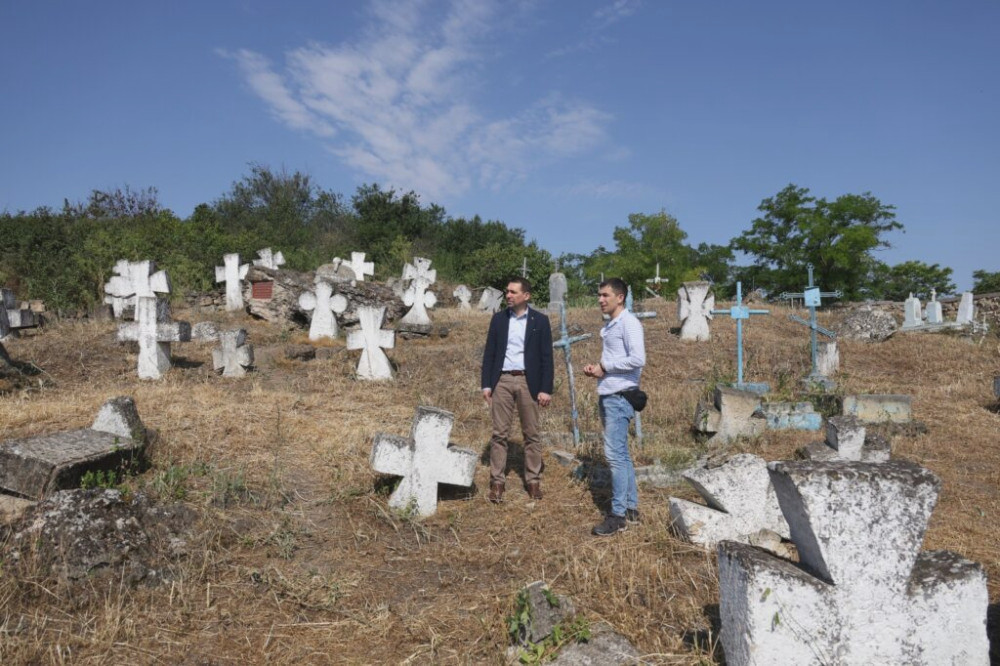
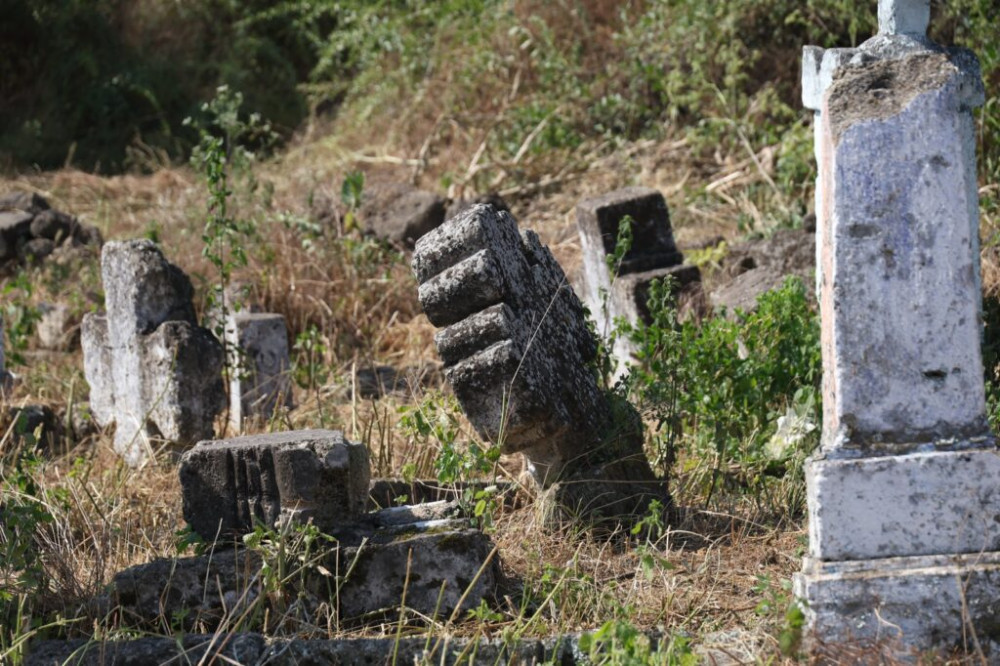
On June 19, during a working trip to Odesa, Ukraine's Minister of Culture and Strategic Communications Mykola Tochitsky visited the Kuyalnytsky Cemetery — the largest of the preserved Cossack cemeteries in Ukraine, located on the Hadyzhbey Road within the city.
This site serves as a crucial testament to the resilience of the Ukrainian spirit. After the destruction of the Zaporozhian Sich, Cossacks settled here, refusing to comply with imperial orders and choosing to remain on their native land. The oldest preserved grave dates back to 1791.
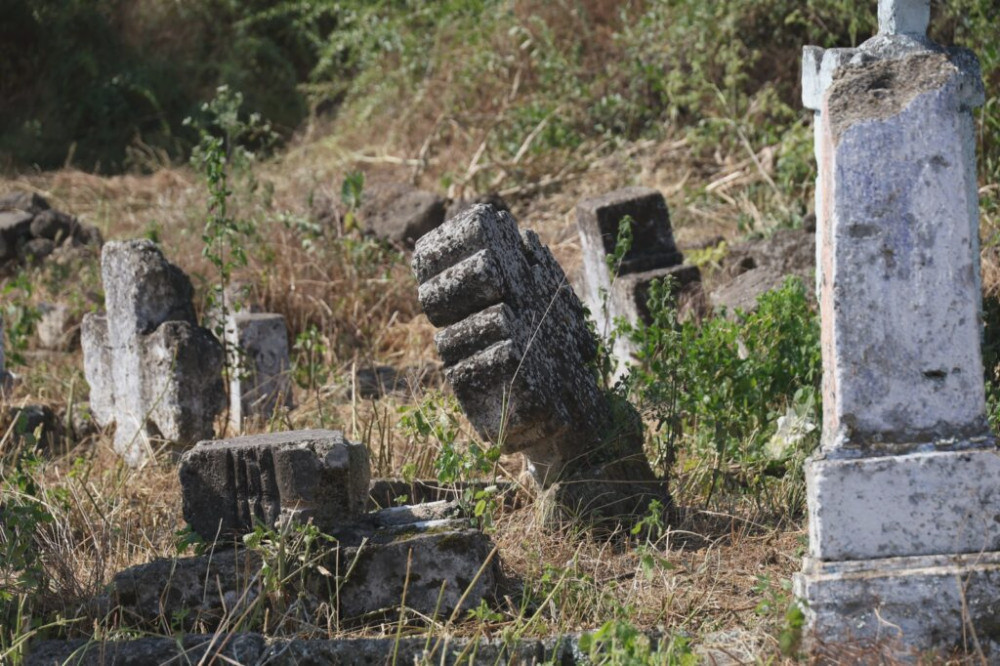
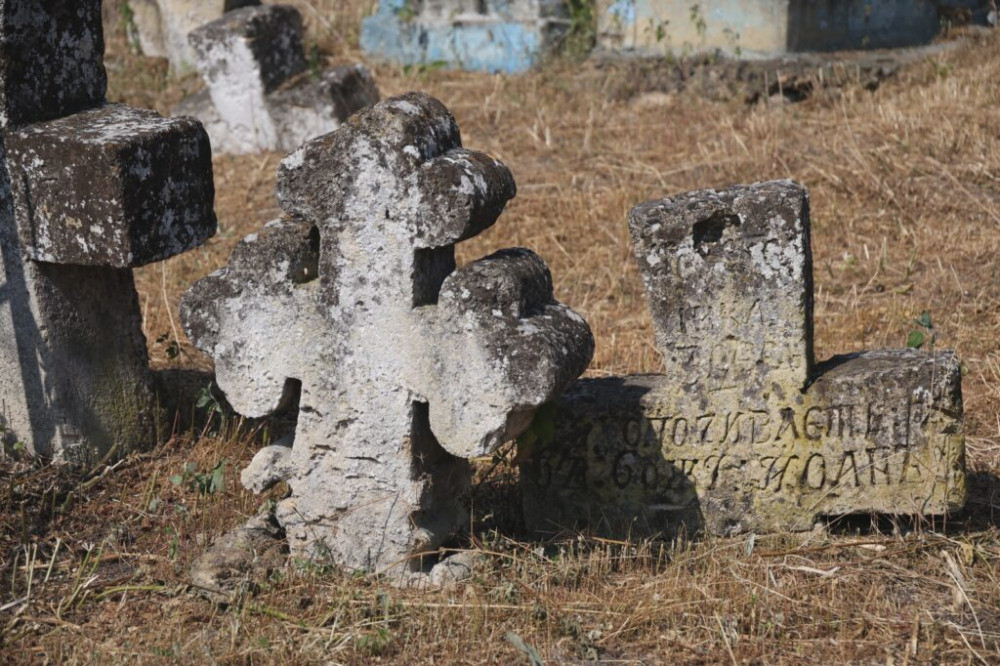
Approximately 200 authentic stone crosses, carved from local shell rock, still stand on the cemetery grounds, featuring inscriptions in Old Church Slavonic and Ukrainian, along with names of Zaporozhian colonels and osavuls, which bear historical and artistic value.
“Each cross here is not merely a symbol of mourning. It is a stone testament to the strength of the Ukrainian spirit, loyalty, and resistance. It is the state's duty to protect these monuments, ensuring that the memory of our ancestors endures for future generations,” emphasized the Minister.
This cultural heritage site has been designated as a monument of local historical significance. Currently, it is the only cemetery in the Odesa region that is officially listed and holds monument protection status. The Minister underscored the importance of systematic protection for such sites, including the establishment of protective signs and engaging local communities in heritage preservation.
Overall, Odesa region preserves a number of Cossack cemeteries, including:
- The Great Usatov Cemetery in the village of Usatove — the burial site of Zaporozhian and Black Sea Cossacks, featuring unique crosses of over 30 types;
- The Cossack cemetery in the village of Hlyboke in the Bilhorod-Dnistrovskyi district — a historical burial site of Budzhak Cossacks on the shores of the Sasyk estuary, which is currently rapidly eroding due to lack of protection;
- Also notable Cossack burials in the villages of Nerubayske, Kyslytsia, Sychaivka, Yehorivka, Kozache, and others.
As a reminder, Mykola Tochitsky held a meeting with heads of cultural institutions and artistic education in Odesa.