Health Initiative: Diabetes Prevention Day in Odesa
Last week, Odesa hosted a dedicated event focusing on diabetes prevention and early detection for both adults and children.
This initiative was organized with the support of the Odesa City Council's Department of Health and the local health center.
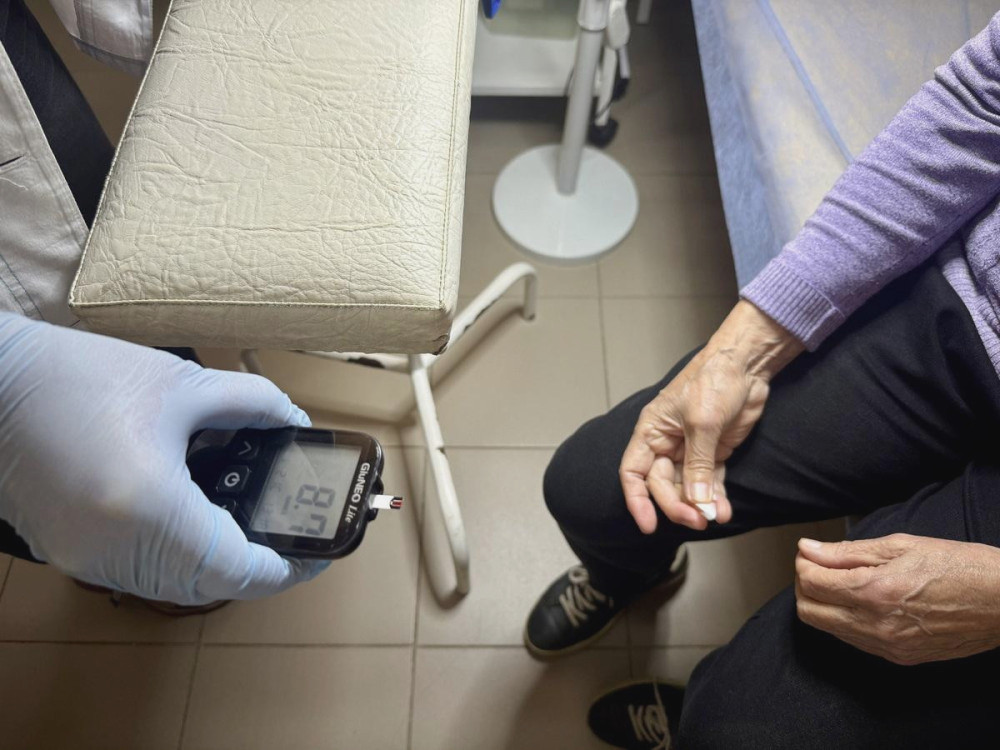
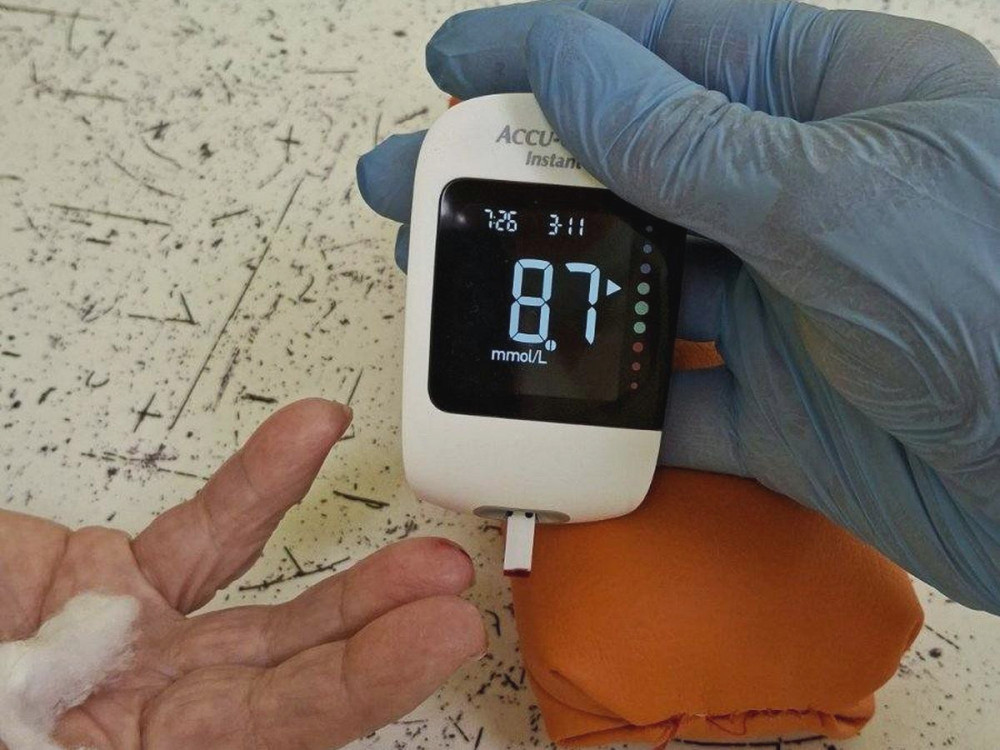
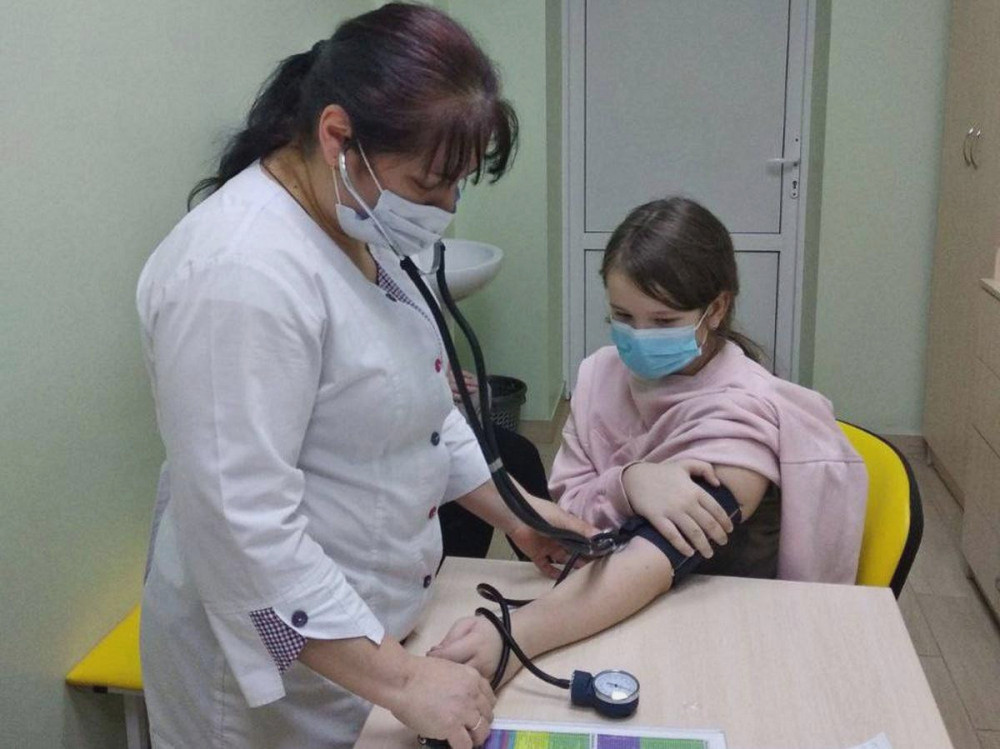
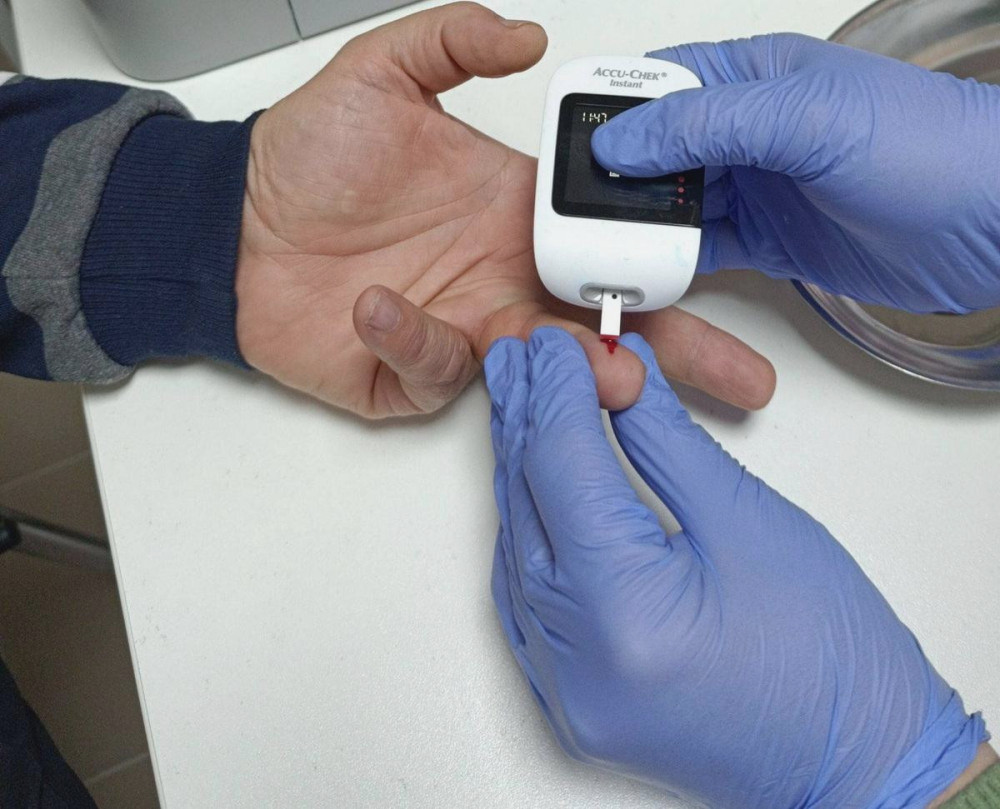
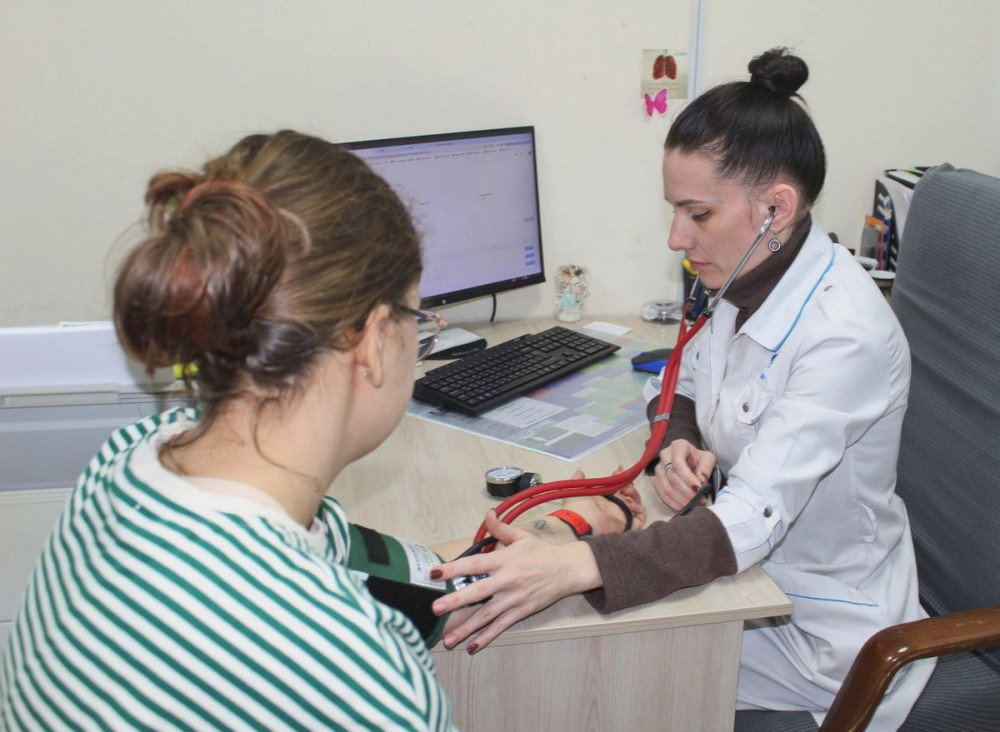
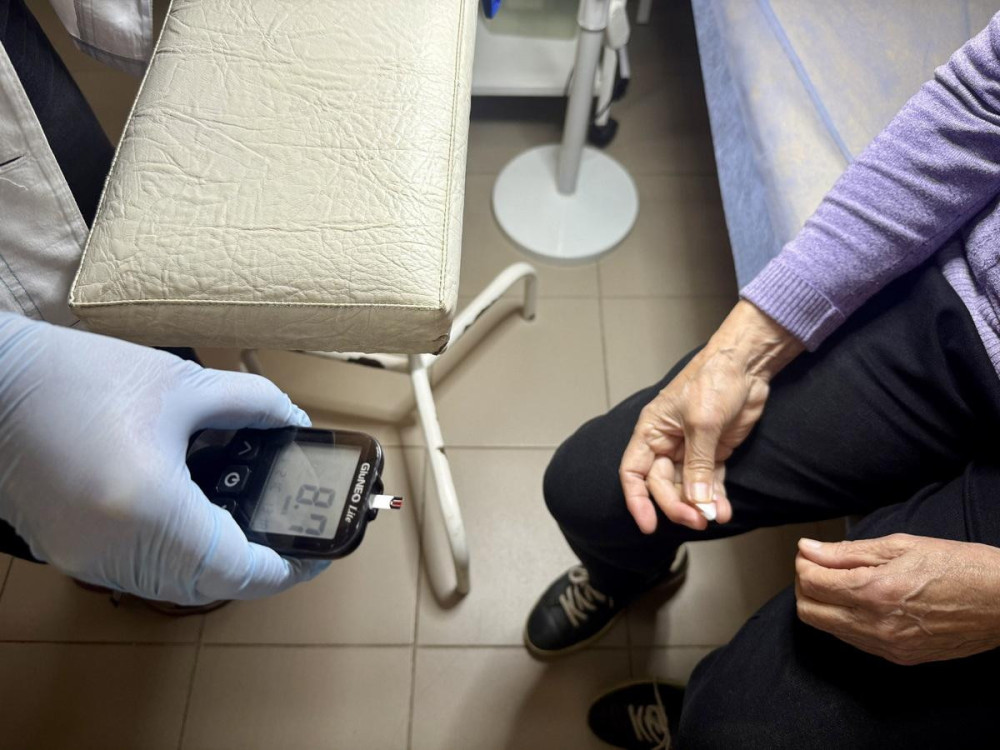
During the event, physicians offered voluntary blood glucose level checks, blood pressure measurements, height and weight assessments, and BMI calculations, along with consultations. If needed, participants received electronic referrals for further testing and specialist consultations.
Healthcare providers also engaged in educational discussions with visitors about diabetes prevention, risk factors, healthy lifestyle choices, nutrition principles, and the importance of physical activity.
Overall, the event saw 3130 residents of Odesa participate, including 2280 adults and 850 children.
Among adults, 296 cases of high blood pressure and 161 cases of elevated glucose levels were identified. Additionally, 467 individuals were found to have high BMI. 227 people were referred for further laboratory studies.
In children, 10 cases of high blood pressure and 13 cases of elevated glucose levels were discovered. 91 children had high BMI, and 76 were referred for cholesterol level testing.
In total, 2986 consultations were provided by city healthcare professionals, with 706 specifically for children.
***
Diabetes mellitus is a chronic endocrine disorder characterized by elevated blood glucose levels, potentially leading to severe complications such as heart attacks, strokes, kidney damage, and vision problems.
Symptoms of diabetes include thirst, constant hunger, frequent urination, rapid weight changes, fatigue, and vision deterioration.
Type I diabetes is insulin-dependent, requiring daily insulin therapy, and typically develops in younger individuals.
Type II diabetes is related to insulin resistance, often developing gradually and may remain asymptomatic for long periods. Many risk factors are lifestyle-related, thus making it preventable.
Risk factors for Type II diabetes include obesity, sedentary lifestyle, stress, pancreatic diseases, hypertension, and increasing age (risk triples for those over 40 every decade).
Type II diabetes prevention:
- Maintain a healthy weight — BMI should not exceed 25.
- Engage in physical activity — at least 30 minutes daily.
- Eat healthily — reduce sugar and saturated fats, increase fruits and vegetables.
- Avoid smoking.
- Regular blood sugar monitoring — at least once a year, more frequently for high-risk groups.