Revolutionary Control Technology for Robots by H2L
The Japanese company H2L has unveiled a groundbreaking technology called Capsule Interface, which allows for the control of robots through body movements and muscle strength. This system promises to enhance remote robot control with greater precision and realism, as noted by Interesting Engineering.
The technology combines specialized sensors and software to track even the slightest changes in the user's muscle tension. This enables the robots not just to replicate movements but also to sense the force applied by the operator. For instance, when a person lifts a heavy object, the robot "understands" how much effort is needed and reproduces those sensations.
Traditional remote robotics rely on motion sensors or video systems, which only convey limb positions without the sensation of physical strain. In the case of H2L's Capsule Interface, muscle sensors capture every impulse, enhancing the realism of control and providing deeper immersion.
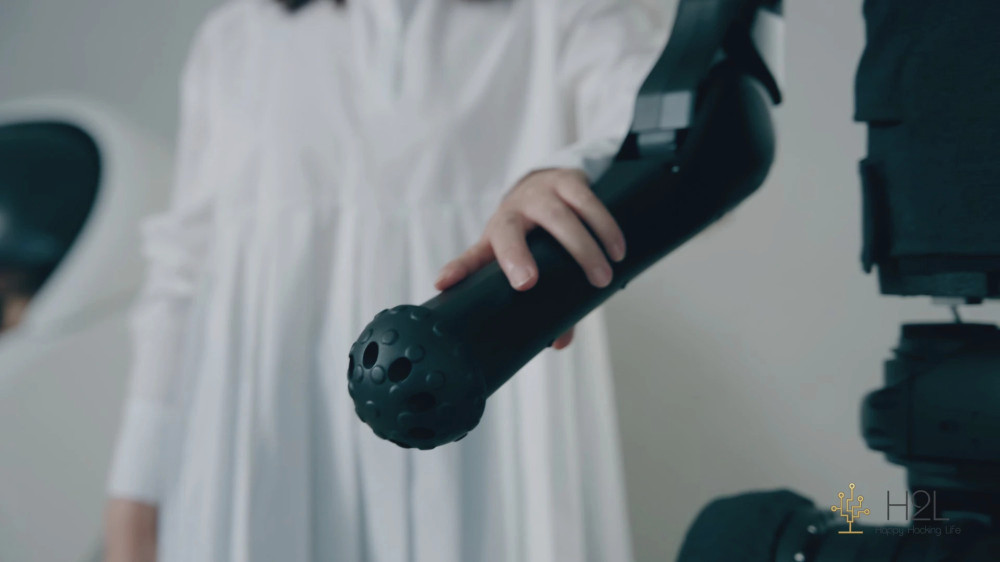
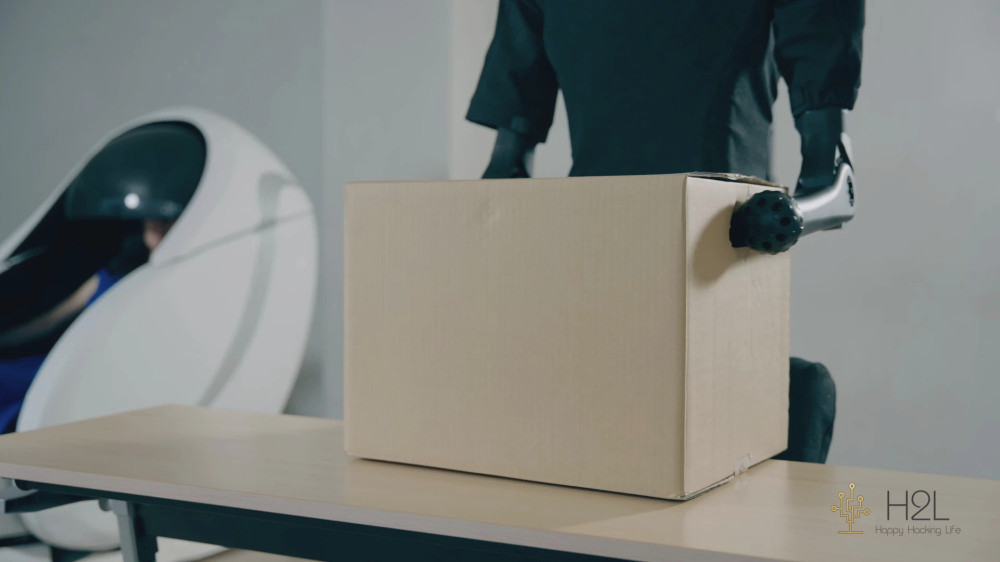
In a demonstration video, a woman controls a humanoid robot from Unitree Robotics H1 using this system. The robot performs tasks such as moving objects and even interacting with another person—all thanks to the accurate transmission of movements and efforts.
The Capsule Interface device is compact and can be used even while sitting or lying down. Unlike bulky systems, H2L's development is user-friendly and requires no extensive training. It features muscle sensors, a display, and speakers for feedback, allowing users to simply sit comfortably in a chair or on a bed and start controlling.
This technology has vast potential applications. It will be beneficial in industries and logistics—workers can remotely handle loads without physical strain or safely operate machinery in hazardous conditions. In domestic settings, it can assist elderly individuals or people with disabilities, enabling them to cook, clean, or manage their homes from a distance.
Looking ahead, H2L plans to incorporate proprioceptive feedback into the device, allowing users to better sense their body’s position and movements in space. Thus, Capsule Interface paves the way for deeper interactions between humans and machines, adding emotional and physical realism even at a distance.