The Transformation of Kuyalnik Estuary: New Challenges Ahead
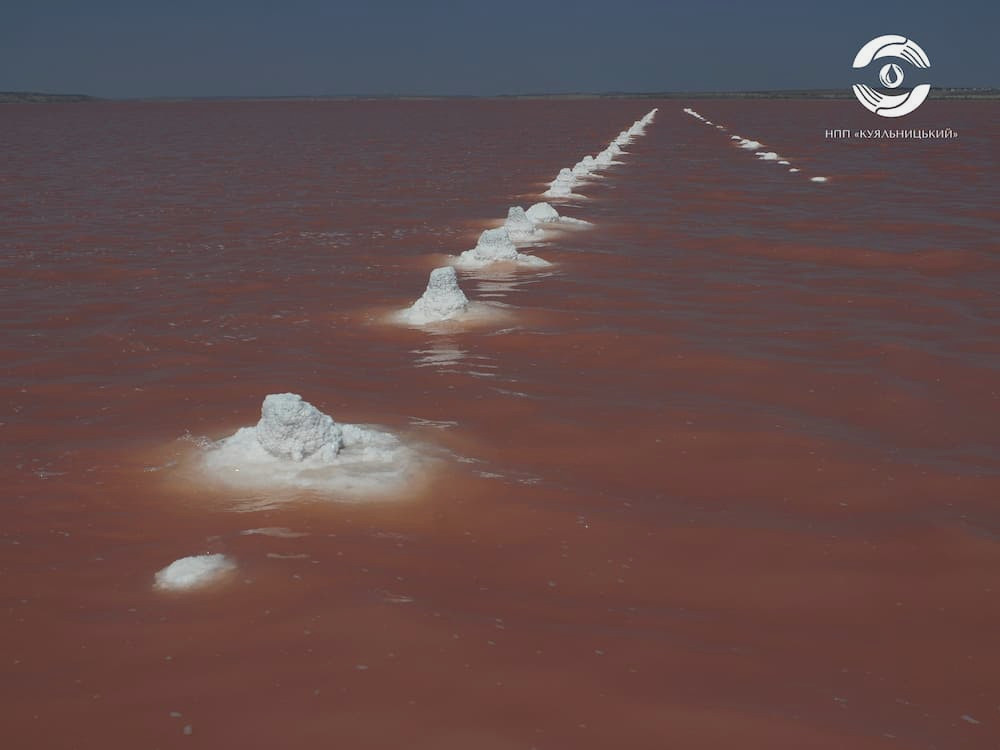
This summer, the Kuyalnik Estuary has dramatically transformed into a salt desert. The heat has caused the shallow waters to evaporate, leaving a thick layer of salt on the bottom of the estuary. It is said that one can collect salt here by the bagful. Is complete desiccation a threat to Kuyalnik, and how can this legendary estuary be saved? Experts from the National Nature Park "Kuyalnik" discuss these issues.
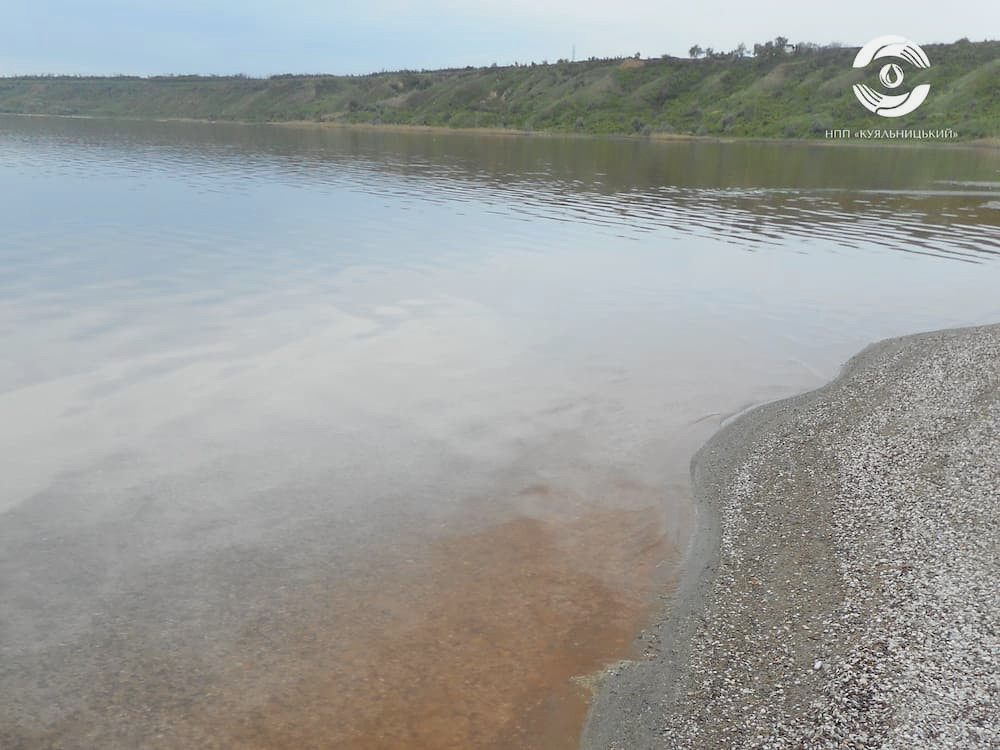
The seasonal drying of the Kuyalnik Estuary is no longer seen as an anomaly. It has been shallow for several years now. The river Kuyalnik, which used to flow into the estuary, has practically ceased to exist. Another reason for the drying up is the illegal sand mining in the area. Additionally, increasing evaporation due to climate change occurs every year.
In 2020, the estuary was also covered with a thick crust of salt, prompting concerned residents of Odessa to encourage visitors to take as much salt as they could carry, reminiscent of the traders of old.
The accumulation of salt is a common seasonal phenomenon, experts from the National Nature Park "Kuyalnik" note. Due to the lack of precipitation this summer and high temperatures, the estuary has dried up once again. Its significant salinity allows for a substantial amount of crystallized salt to remain. It can turn pink due to the presence of unicellular planktonic algae called Dunaliella, which thrive in the water. These organisms belong to green algae but produce a dark orange pigment, beta-carotene, in high salinity conditions, helping them survive harsh environments.
The characteristic pink hue of the estuary is particularly pronounced during hot and dry weather. The accumulation of algal biomass enriches its therapeutic mud with valuable biologically active components.
The therapeutic properties of these muds will not diminish; however, proper brine management is essential, emphasize park specialists.
The unique estuary is not currently at risk of disappearing. In the fall, cooler temperatures and increased rainfall will help restore its water balance. Additionally, a hydraulic structure will begin to supply seawater from the Black Sea into the estuary during the winter, provided the water temperature does not exceed +8°C. Otherwise, there will be an active proliferation of microscopic algae that are not native to the Kuyalnik ecosystem.
At the same time, the National Nature Park "Kuyalnik" has established a working group to find the best solutions regarding the rehydration and brining of the estuary. Various options for saving the estuary are being considered and financially assessed, including:
- installing salinity filters during seawater input;
- salt extraction at Kuyalnik, which would reduce its concentration;
- redirecting water from Hadyzhbey Estuary after purification;
- supplying Kuyalnik with treated wastewater from Odessa;
- redirecting water directly from the Dniester, although this project is extremely expensive.
Perhaps a combined approach will be necessary, believe the experts at the National Park "Kuyalnik".
Meanwhile, the State Environmental Inspection of the Southwestern District is monitoring the condition of the estuary and promises to inform the public of any changes.
In the meantime, residents of Odessa are eager to admire the fantastic landscapes of this unique "pink wonder" of the Odessa region.