National Multidisciplinary Test in Izmail: What You Need to Know
To enroll in a higher education institution, applicants must pass the National Multidisciplinary Test (NMT). Safety is the primary concern for conducting the test. Izmail has been designated as one of the regional centers for the exam, where students from both local schools and neighboring areas will participate. Deputy Mayor Serhiy Luzanov provided details about the registration process and the test during a briefing.
The testing will occur during both main and additional sessions. The main sessions are scheduled from May 14 to June 25, while the additional sessions will take place from July 14 to July 25. The Ministry of Education and Science of Ukraine has established two registration periods: main and additional.
Registration Process
The main registration period for the main NMT sessions runs from March 6 to April 3. Changes to registration data can be made until April 8. During the additional period, from May 9 to May 14, individuals who missed the main registration due to valid reasons, as well as those who were denied registration, will have the opportunity to register. Changes can be made until May 19.
From May 3 to 4, registered participants will be able to download invitations indicating the date, time, and location of the test from their personal accounts. Participants in the additional sessions will be able to do this starting from July 11.
Conducting the Test
Izmail has identified two temporary examination centers. The city council emphasizes that the specific locations will not be disclosed for security reasons. It is known that the selected institutions have all necessary infrastructure, including shelters and backup power sources.
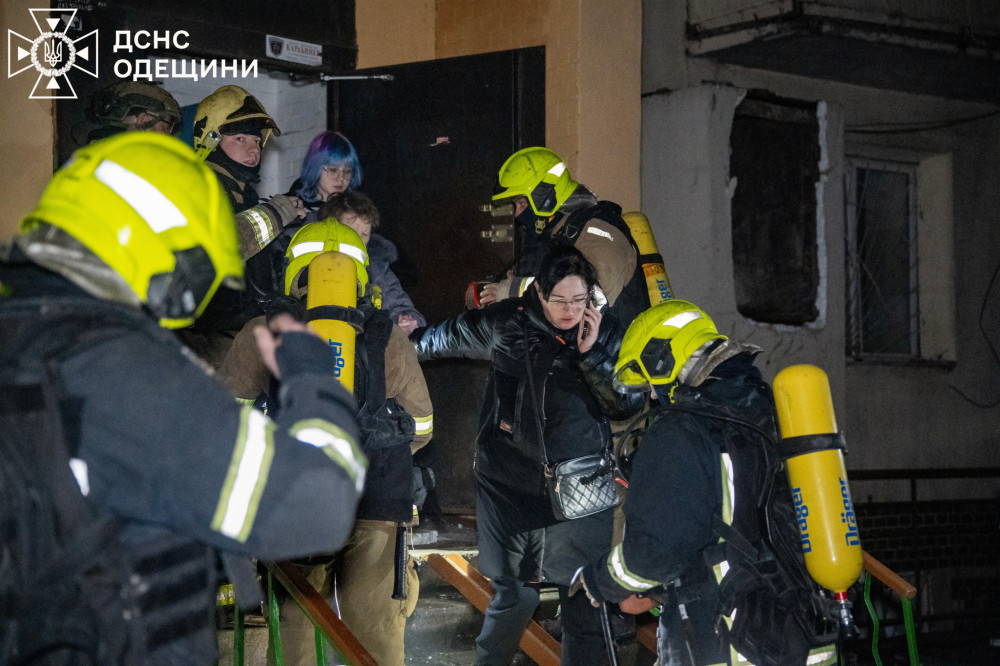
According to the Ministry of Education and Science requirements, during an air alert, the test must be paused, and all participants and staff at the testing site must move to a shelter. If the alert lasts less than 2 hours and 30 minutes, participants can return and continue the NMT. If the alert lasts longer, a decision will be made regarding whether to continue the test.
This situation adds stress for participants, but Serhiy Luzanov assured that testing would be organized to avoid interruptions even during an alert.
“The testing will be organized in a manner that allows students to complete it without interruption, even during an air alert,” he emphasized.
The NMT will consist of four tests, three of which are mandatory (Ukrainian language, mathematics, history of Ukraine), and one is elective. Optional subjects such as biology and physics will also be available for applicants.
The tasks from mathematics and other subjects will be translated into Crimean Tatar, Polish, Romanian, and Hungarian.
Participants will take all four subject tests in one day in two stages: the first stage (120 minutes) will consist of the Ukrainian language and mathematics, and the second stage (120 minutes) will cover the history of Ukraine and the chosen subject. A short break is planned between the two stages.
Results of the main NMT sessions will be available by July 4, and those of the additional sessions by July 30.
In Izmail, examination centers will operate for about six days to ensure that everyone who wishes can take the NMT.
“The decision about participants coming from other cities is made at the level of the Ministry of Education,” Serhiy Luzanov concluded.