International Day of Persons with Disabilities: Advocating for an Inclusive Society
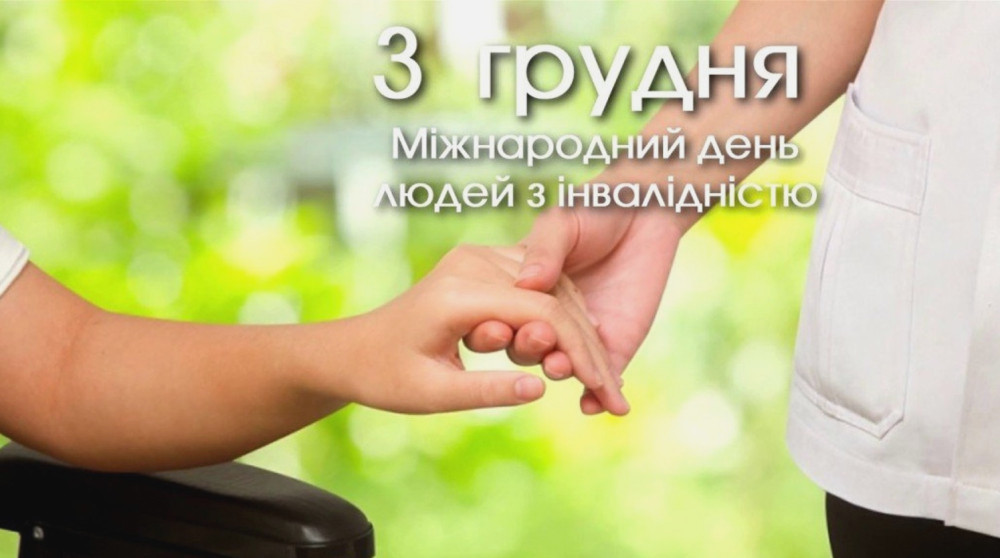
Today, December 3rd, we celebrate the International Day of Persons with Disabilities. This day serves as a reminder of the importance of human dignity as the foundation of a resilient society.
We must ensure accessibility and equal opportunities for everyone: the right to freedom of movement, access to quality services, education, and employment. The focus of all decision-making should be on human rights, individual choices, and the ability to engage fully in community life.
In the context of war, the issue of accessibility has become even more pressing. It is not just about isolated initiatives but rather about a comprehensive transformation of governance, design, and interaction — a new philosophy for shaping urban environments and digital services.
That is why it is crucial to continue systematic efforts to make accessibility a standard practice in all areas. This process has strong support and demand from society. In the past two years, over 40 accessibility standards have been updated, and work is ongoing on a legislative project titled “On the Fundamental Principles of State Policy for Creating an Accessibility Space in Ukraine.” A nationwide accessibility monitoring has been conducted, leading to the creation of an interactive Accessibility Map containing data on more than 70,000 facilities.
As part of the First Lady of Ukraine's initiative “Barrier-Free,” a flagship project called “Movement Without Barriers” has been launched this year by the Ministry of Community and Territorial Development. This project covers 15 pilot communities, where comprehensive barrier-free routes are being established, with plans for scaling the best solutions across the country.
Our collective task is to make accessibility a norm and to establish barrier-free standards at the national, regional, and local levels.
Let us work together, each in our own capacity, to build a country where everyone can live fully, realize their potential, and overcome barriers.