Archaeological Discoveries in Odesa Region
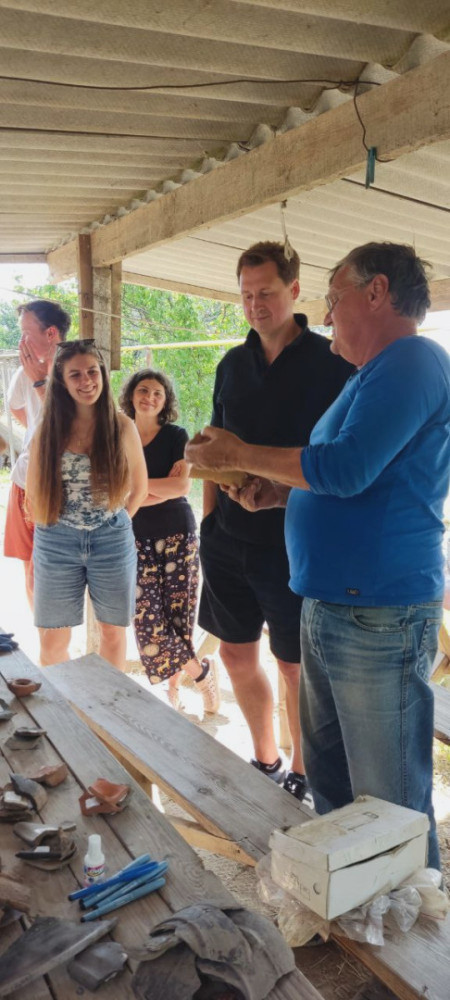
Archaeologists from the South Ukrainian National Pedagogical University named after K. D. Ushynsky have successfully conducted their first expedition in the Odesa region since the onset of the full-scale invasion. Among their unique discoveries are Roman coins from emperors, warrior fibulas, and burials from ancient cultures, found near a strategically important crossing over the Danube.
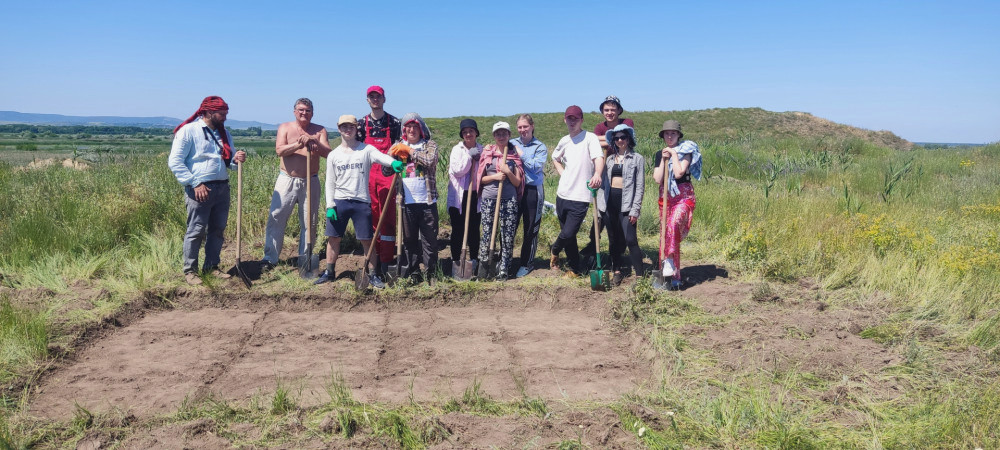
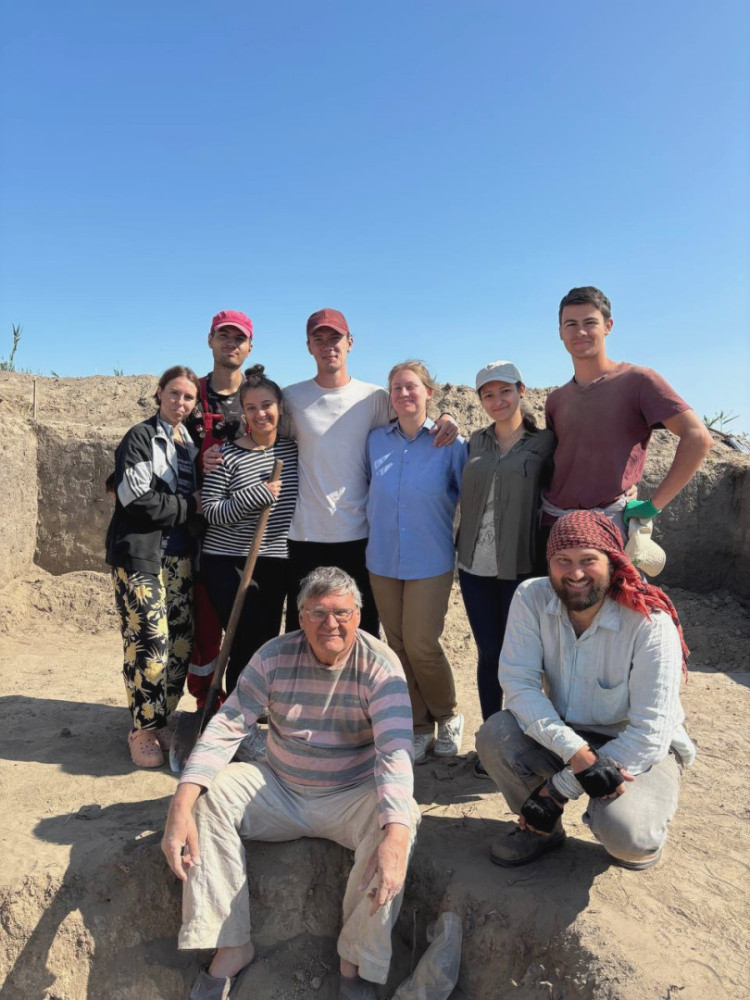
According to reports from the university's website, the excavations took place in the village of Orlivka in the Reni district, led by Doctor of Historical Sciences Ihor Bruyako and assistant Vladyslav Vodka. The research was conducted around the Kamyiana Hora - a unique geological formation that housed a border fortress of the Roman Empire during its era.
This elevation controlled the narrowest part of the Danube, where an ancient crossing has existed since time immemorial, making it a strategically significant point in the region. The archaeological work confirmed the historical importance of this location as a key point on the border of the ancient Roman Empire.
"This elevation controlled the narrowest part of the Danube, which has been a strategically important crossing point for the region since ancient times," the university noted.
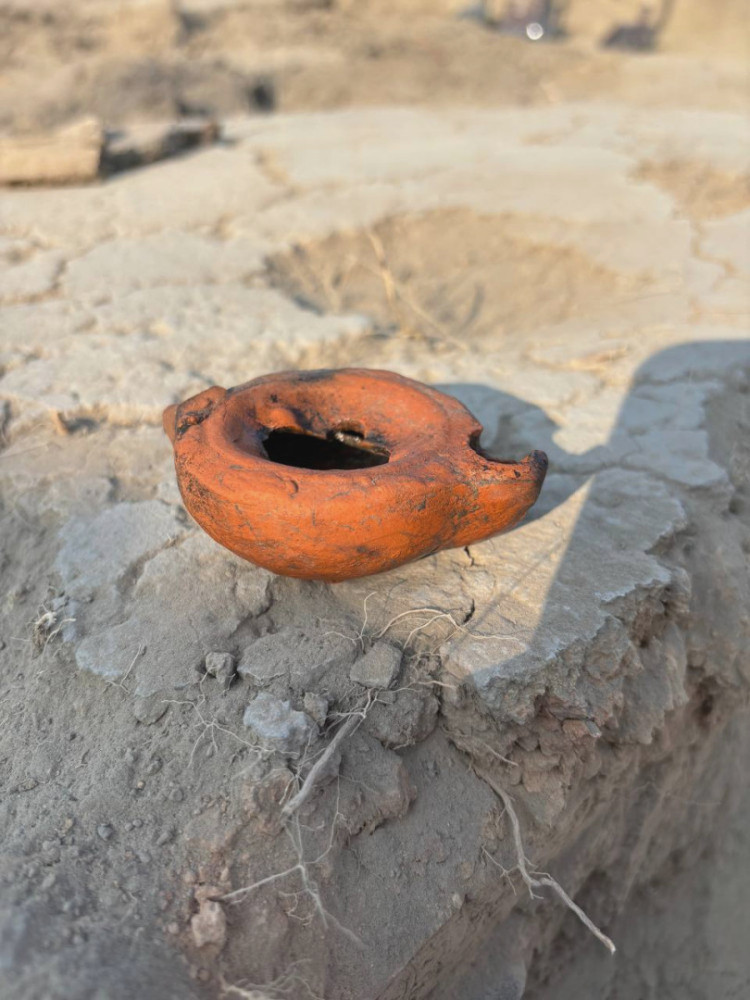
Among the significant finds, archaeologists discovered Roman coins from Emperors Antoninus Pius and Constantius II, dating back to various periods of the Roman Empire. They also found Roman fibulas of the so-called warrior type, a red-glazed ceramic lamp, and a fragment of a stone mace from the late Bronze Age.
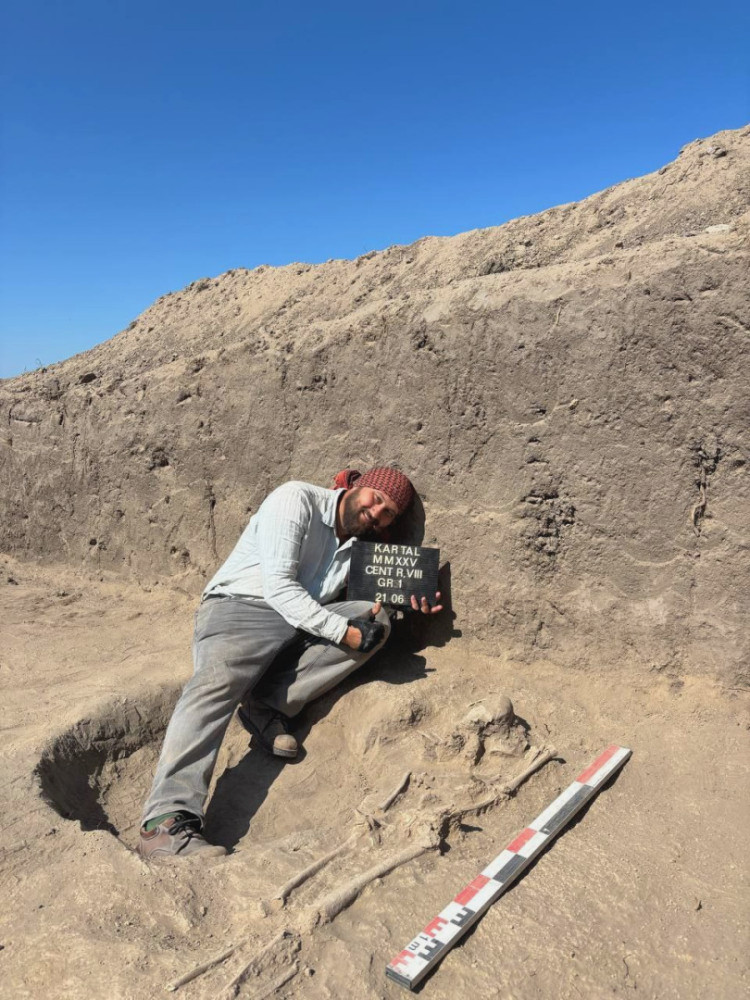
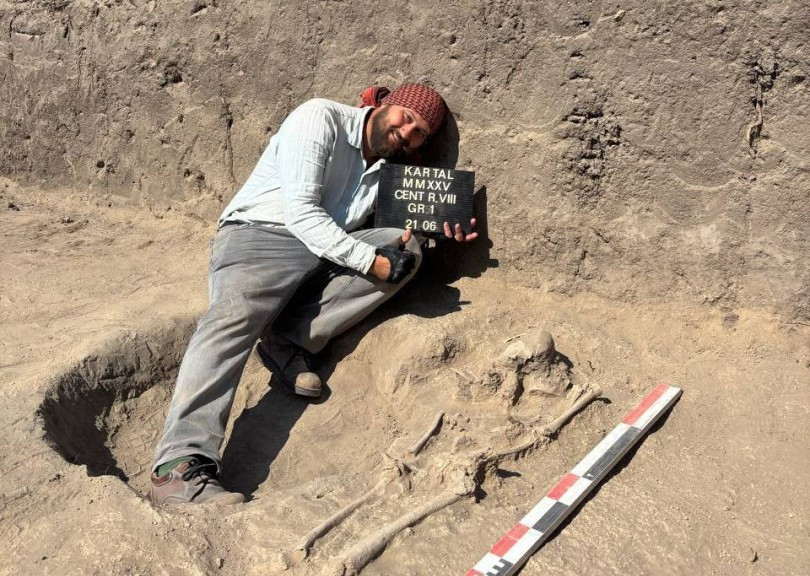
Particularly valuable are the two discovered burials, one of which likely belongs to the Chernyakhiv culture – an archaeological culture that existed in Ukraine during the 2nd to 5th centuries AD. These finds allow for a better understanding of the settlement history and cultural connections of the region in ancient times.