Water Supply Crisis in Izmail Region
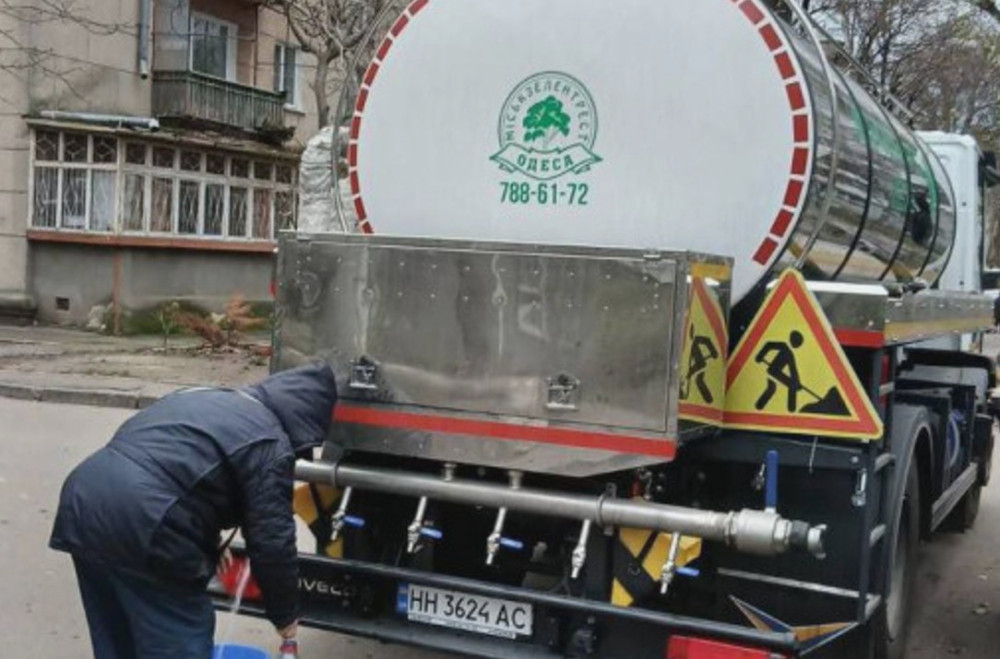
The water supply crisis in the Izmail region of Odesa is worsening due to the drastic decrease in levels of the primary water source. This situation can lead to severe humanitarian consequences and the destruction of vast agricultural areas.
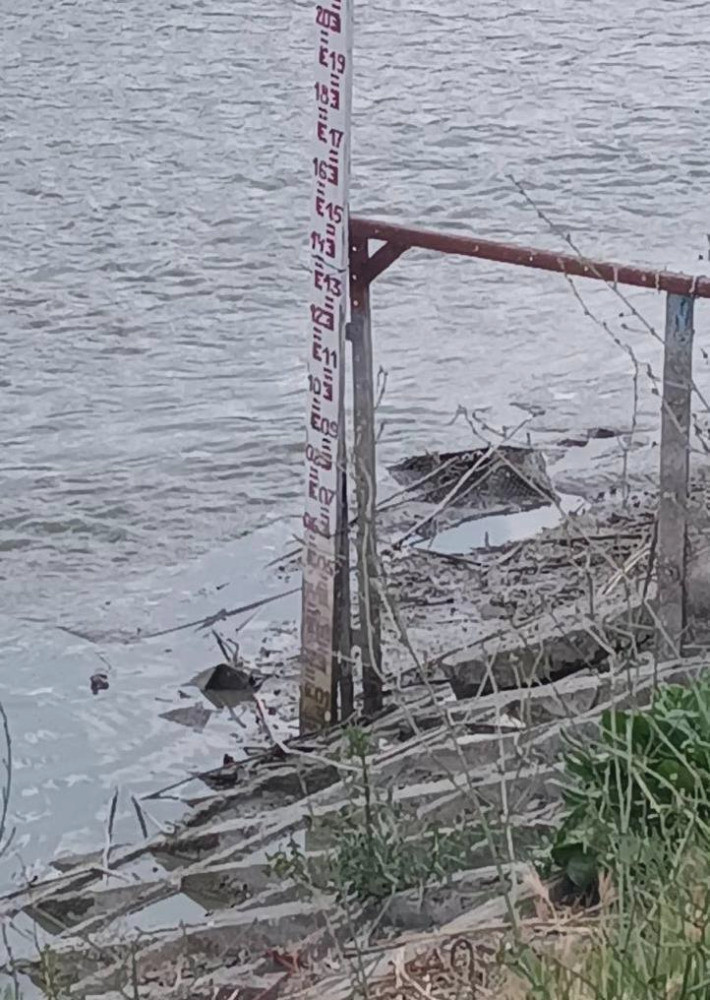
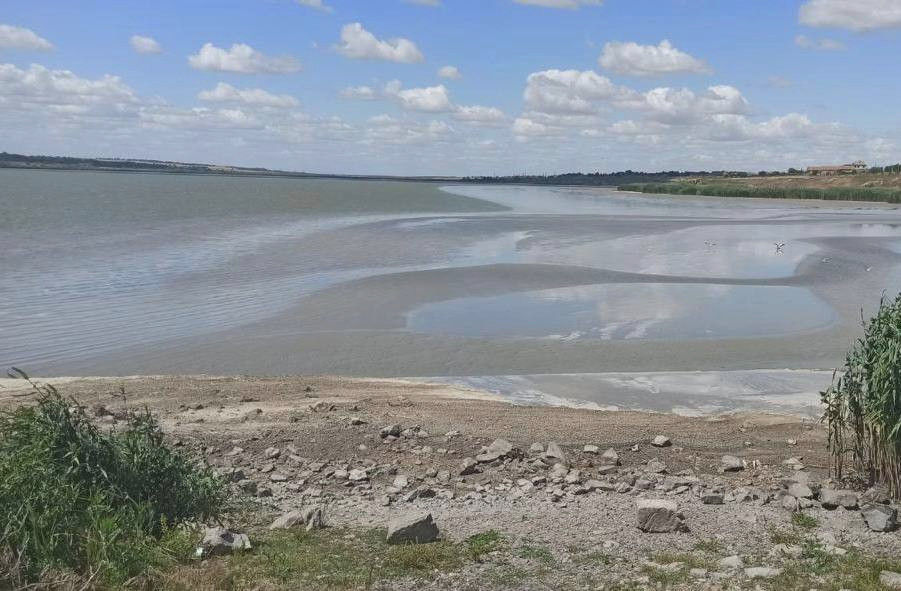
According to the All-Ukrainian Agricultural Council, Lake Katlabukh, which traditionally provides water to southern Odesa and local farmers, is undergoing its most severe crisis in years. The body of water is rapidly losing its reserves due to inadequate replenishment and prolonged drought conditions.
As of today, the lake is only 57% full, and experts predict it could reach critical lows by July 1. This threatens to disrupt the hydrological balance, degrade water quality, and result in the loss of the water supply for Izmail residents, leading to a decrease in biodiversity and a collapse in irrigation systems.
A week ago, the "Water of Life" organization sent an urgent letter to government bodies demanding immediate intervention. This organization includes farmers, communal services, and private water users from the Lake Katlabukh basin.
The potential disaster is staggering, as 15,000 residents risk losing their water supply, and agricultural businesses may suffer crop losses over 8,500 hectares.
"Water from the lake is used for both domestic and agricultural purposes, and residents have no alternative sources. Wells are already beginning to dry up," states the official appeal from water users.
The most significant losses are expected in agriculture, where 2,000 hectares of early cereals and 6,000 hectares of corn, sunflower, legumes, and vegetables are at risk. Over thirty farming enterprises, primarily small and medium-sized, may face critical losses or cease operations entirely.
There is a technical solution available, but it requires immediate funding. Water users point to the existing infrastructure needed to replenish the lake.
According to the operational rules of the Katlabukh reservoir, water must be pumped in using pumping stations to maintain normal water levels during the summer after the reservoir is filled to the normal high-water mark during floods.
However, this summer, planned replenishment has not occurred due to a lack of funding, despite allocations in the state budget for such purposes. Experts estimate that approximately 43.4 million hryvnias are needed to fill Lake Katlabukh to safe levels.
The situation is further complicated by the lack of alternative water supply sources in the region, and existing private wells are also beginning to dry up due to the overall decline in groundwater levels.